
Indonesia’s High-Speed Rail: Heavy Debt, Mark-Up Probe, and Next Steps
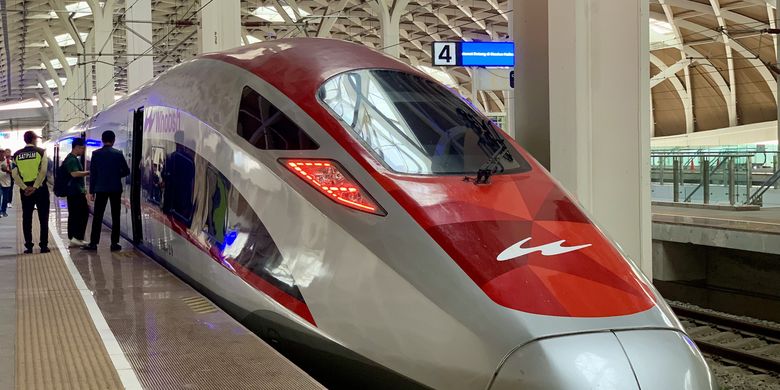
JAKARTA, KOMPAS.com – The Jakarta–Bandung High-Speed Rail project, branded Whoosh, has returned to the spotlight. Once touted as a symbol of Indonesia’s transport modernization, the joint venture between PT Kereta Cepat Indonesia–China (KCIC) and Beijing Yawan HSR Co. Ltd. now faces a heavy debt load, allegations of cost inflation, and growing pressure to find a sustainable financing solution.
Billions in Debt and a Financing Squeeze
Whoosh’s outstanding liabilities currently total 7.27 billion US dollars (about 120.38 trillion rupiahs at 16,500 rupiahs per US dollar). Roughly 75% of the project is financed by the China Development Bank (CDB) at 2% interest with a 40-year tenor.
Costs have risen, however, with a 1.2 billion US dollars cost overrun that added new debt at interest rates above 3%. An additional 542.7 million US dollars was used to cover the overrun borne by the Indonesian consortium, with the remainder funded via PMN-a state capital injection from the APBN (Indonesia’s state budget).
Didiek Hartantyo, president director of KAI (PT Kereta Api Indonesia, the state railway operator), said dollar-denominated loans carry 3.2% interest, while renminbi (RMB) loans carry 3.1%, further tightening financial pressure.
To ease fiscal risk, the government decided that the debt would no longer sit directly on the APBN. Finance Minister Purbaya Yudhi Sadewa said the obligation has been shifted to BPI Danantara- Indonesia’s state investment holding group for strategic SOEs, including KAI.
“KCIC is under Danantara. They have their own management and dividends -on average 80 trillion rupiahs a year or more. They should manage the (KCJB) debt from there, not return to us,” Purbaya said.
Dony Oskaria, chief operating officer of Danantara, said two options are being prepared: injecting more equity or handing over certain infrastructure assets, as is common elsewhere in the rail sector. Despite financial strain, he noted the line’s daily ridership of around 30,000 and sharply shorter travel times as positive economic signals.
Alleged Mark-Ups and an Ongoing KPK Inquiry
Financial headwinds have been compounded by allegations of budget mark-ups. Former coordinating minister Mahfud MD publicly questioned the project’s per-kilometer cost, saying Whoosh at 52 million US dollars per km (≈863 billion rupiahs) is far higher than China’s 17–18 million US dollars per km (≈282–299 billion rupiahs).
“It tripled. Who raised it? Where did the money go? We must investigate who did this,” Mahfud said on his YouTube channel on October 14, 2025.
The KPK (Indonesia’s anti-graft commission) says it opened a preliminary inquiry in early 2025, though this was only disclosed publicly in late October. Asep Guntur Rahayu, the KPK’s acting deputy for enforcement, confirmed the case is in the investigation phase, conducted behind closed doors to protect evidence-gathering and witness work.
KPK spokesperson Budi Prasetyo said investigators have been collecting information for some time and encouraged anyone with relevant data to come forward. The commission is finalizing a witness list and reviewing project documents before next steps.
President Prabowo Orders a Debt-Resolution Blueprint
Amid the debt burden, mark-up allegations, and fiscal concerns, President Prabowo Subianto stepped in. At a limited cabinet meeting at the State Palace on October 9, 2025, he tasked key officials with drawing up a comprehensive solution.
Those assigned include Coordinating Economic Affairs Minister Airlangga Hartarto, Finance Minister Purbaya Yudhi Sadewa, and Danantara CEO Rosan Roeslani. State Secretary Prasetyo Hadi said the president instructed the team to recalculate the financing in detail and prepare restructuring options, including longer loan maturities if needed.
“It was discussed at the meeting. The economic team and Danantara were asked to re-run the numbers and consider options-including extending loan terms-as part of the best overall scheme,” Prasetyo said on October 30, 2025.
He added that the government is evaluating all payment scenarios, from renegotiating with lenders to adjusting repayment schedules. Prasetyo also underlined shared responsibility for reliable public transport, not just for high-speed rail but also conventional rail, buses, and ferries.
Between Social Investment and Fiscal Prudence
Former president Joko Widodo (Jokowi) -now a public figure often referenced in infrastructure debates- reiterated that Whoosh was conceived as a long-term social investment, not a profit-seeking venture. The project aims to ease chronic congestion in Greater Jakarta (Jabodetabek) and Bandung, which he said causes economic losses of roughly 100 trillion rupiahs a year.
“Mass transit is a public service, not a profit center. Public transport isn’t measured by financial gain but by social benefit. If there’s a subsidy, that’s an investment, not a loss,” Jokowi said in Solo on October 27, 2025.
For the new administration, the central question is how to preserve the project’s social benefits without adding strain to public finances. The effort to park KCIC’s liabilities under Danantara and craft a credible repayment plan will test Indonesia’s ability to balance development goals with fiscal responsibility.
Dalam segala situasi, KOMPAS.com berkomitmen memberikan fakta jernih dari lapangan. Ikuti terus update topik ini dan notifikasi penting di Aplikasi KOMPAS.com. Download sekarang
Artikel terkait
Berita terbaru

Sepuluh Gol, Dua Kepala Daerah, Satu Bahasa Kepemimpinan: Gus Barra dan Subandi Berbagi Drama di Gelora Delta
SIDOARJO | KEMPALAN — Sepuluh gol, dua kepala daerah, dan satu pesan tentang kepemimpinan. Stadion Gelora Delta Sidoarjo menjadi saksi sebuah pertandingan yang lebih...
Polemik Hands Ball Rizky Ridho saat Persija Jakarta Kalahkan Persebaya Jadi Sorotan
ADVERTISEMENTS harapanrakyat.com,- Polemik hands ball Rizky Ridho dalam laga Persija Jakarta melawan Persebaya Surabaya kembali menjadi perbincangan suporter di media sosial. Momen tersebut terjadi...

Sah, Manchester United Masuk Zona Degradasi Pekan Ini
Manchester United tengah berada dalam situasi mengkhawatirkan di Liga Inggris 2026/2027. Setan Merah kini terjerembap ke zona degradasi setelah Nottingham Forest meraih k
Hasil Operasi Patuh Krakatau 2026, Polresta Bandar Lampung Tindak 5.954 Pelanggar
Operasi Patuh Krakatau 2026 ditutup, Polresta Bandar Lampung tindak 5.954 pelanggar. Penindakan via ETLE tercatat menurun dibanding 2025.